Most people look back on their college years as the best time in their lives. From a thriving social life to new experiences, students take on a new way of life far freer than lower school years. On a college campus, young, like-minded peers share one main thing in common: students are all at the same stage in life, and they are figuring out who they are and who they want to be.
And as this exciting time comes to an end, stress often sets in where exhilaration once was. Once we, as college students, reach our second or third year, we start to be bombarded with pressing questions from family and friends. “What are your plans after graduation? What internship do you have lined up? How are you going to use your degree? What are your career goals?” These last few years become a scramble to set up your entire life ahead. In the bustle and stress, a few important tips have become clear:
Set goals but expect change.
Perhaps one of the most vital mental hurdles of the college to adult life transition is setting achievable goals for the future. As students, we have spent our entire lives learning and looking forward to a successful future, often daydreaming of the perfect job. And yes, goals are key. Yet, it is also important not to get caught up on lofty targets. For instance, it is all too common for a student to decide they want to follow a different path after gaining experience in that field in an internship or shadow program. Stay open-minded. Allow yourself to change tracks as many times as needed.
Use online tools to ease the transition into the workforce.
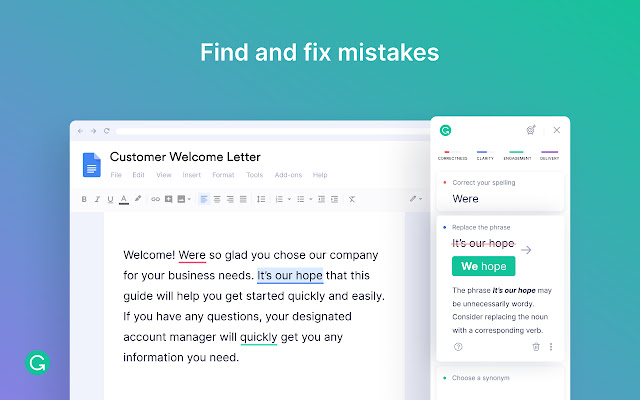
Two of the most important skills for leveling up professionalism as a transitioning student are effective communication and developing a personal brand. And it doesn’t have to be taken on alone. A tool like Grammarly can be easily connected to any mobile device, offers a variety of services, and prepares students to write with clarity and professionalism. Whether writing a resume, a cover letter, replying to emails, or messaging a recruiter, it is beyond important to hit the right tone, submit work free of errors, and improve communication skills.
Begin building your network now.
Whether trying to land an internship or a full-time job, connections are everything. When a student builds a strong network of people in professional spaces, they’ll often find that recommendations and opportunities seem to fall into their lap. Use social media like LinkedIn to connect with professionals you admire or know. And most importantly, keep in touch with them. In many cases, people are more appreciative of follow-ups than you realize.
Never stop sending out that resume, but remember that personal connections may be more rewarding in the long run.
 Lifeful
Leave a comment